The Duty of Heat Transfer Systems in Sustainable Power Solutions for the Future
Heat transfer systems are necessary in the mission for sustainable power remedies. They maximize thermal energy management, enhancing the performance of renewable technologies. By using systems like convection, radiation, and conduction, these systems reduce energy losses. Their duty in solar thermal and geothermal applications is particularly significant. As technologies arise, the capacity for additional innovations elevates crucial concerns concerning future energy methods. What growths will form the landscape of sustainable energy?
Recognizing Heat Transfer Systems
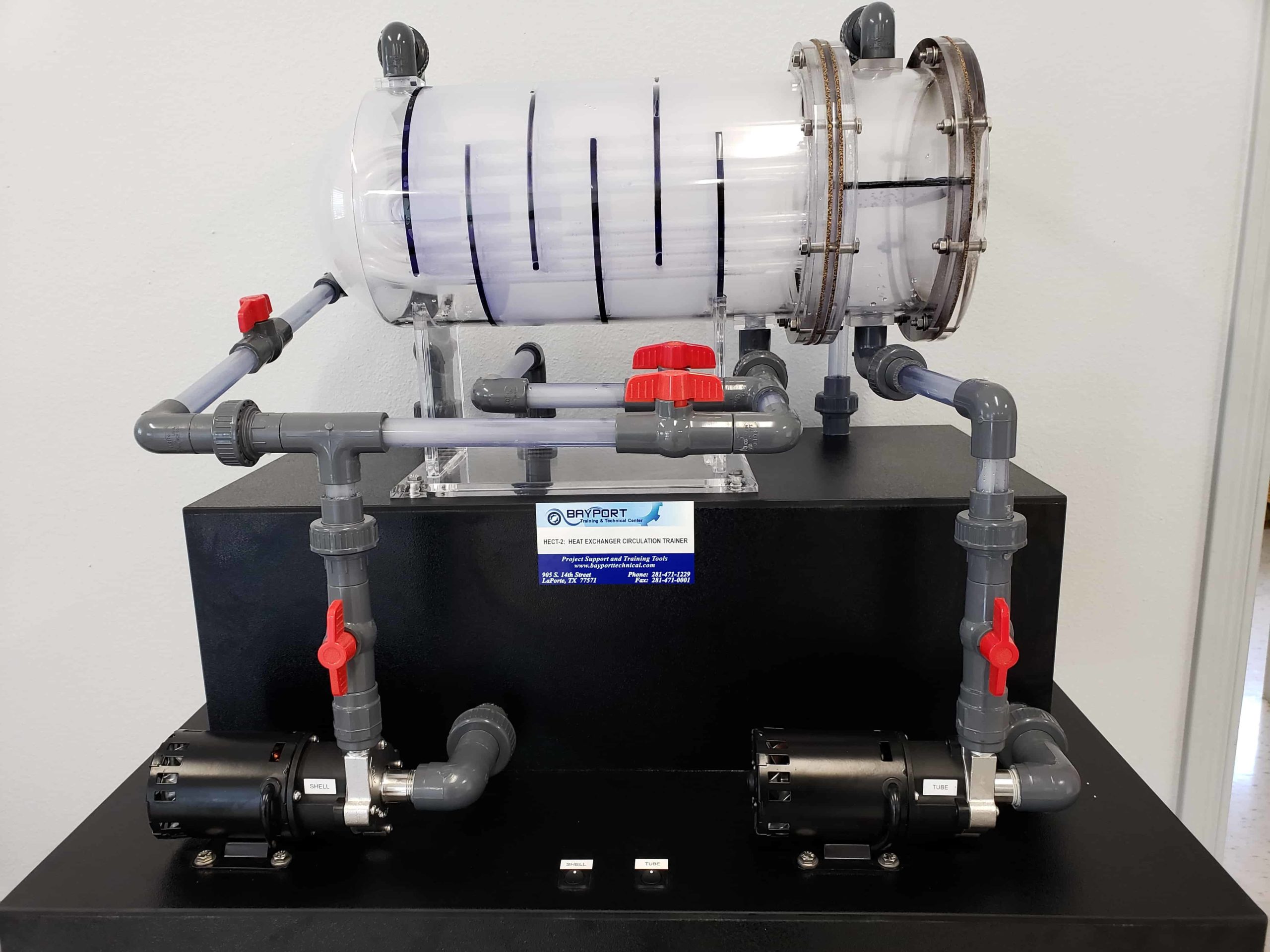
The Significance of Thermal Power Administration
Reliable thermal energy monitoring is important for making best use of energy performance and decreasing waste in various systems. By managing temperature and maximizing Heat transfer procedures, companies can noticeably reduce power usage and functional costs. Efficient administration entails the application of innovative innovations and methods that check and control thermal conditions within systems, guaranteeing that power resources are utilized effectively. Additionally, appropriate thermal power management adds to minimizing greenhouse gas exhausts, lining up with global sustainability objectives. It also improves system integrity and efficiency, resulting in boosted product top quality and longer tools life expectancy. Ultimately, prioritizing thermal power management is an important action towards producing extra lasting energy services and fostering a responsible method to energy consumption in property and industrial contexts.
Applications of Heat Transfer in Renewable Energy
While numerous renewable energy resources assure sustainability, the efficient application of Heat transfer plays an essential role in their performance. In wind power systems, Heat transfer is used for turbine element air conditioning, boosting performance and durability. Geothermal power relies on efficient Heat exchange between the planet's subsurface and the fluid circulating in the system, making best use of power extraction. Biomass energy procedures likewise benefit from Heat transfer, as it aids in converting natural materials right into functional fuel through pyrolysis and gasification. Furthermore, in hydropower, keeping ideal temperature levels in storage tanks can improve energy outcome. Each of these applications shows the important value of Heat transfer systems in enhancing renewable resource innovations, ultimately adding to a much more sustainable power future.
Enhancing Solar Thermal Power Performance
As solar thermal power systems remain to progress, boosting their effectiveness has ended up being necessary for taking full advantage of energy outcome. Breakthroughs in Heat transfer modern technologies, such as improved thermal storage materials and cutting-edge Heat exchangers, play a considerable role in enhancing efficiency. By utilizing advanced products that have superior thermal conductivity, systems can record and move Heat better. Additionally, integrating tracking systems that follow the sun's course assurances that enthusiasts receive excellent solar exposure throughout the day. Using nanotechnology in solar absorbers can better increase energy absorption rates. Furthermore, including automated control systems assists control temperature levels and take care of energy circulation effectively, resulting in minimized losses and boosted general system efficiency. These improvements pave the way for even more sustainable solar thermal power services in the future.
Geothermal Home Heating: A Lasting Solution
Geothermal heating presents a sensible choice for sustainable power, using substantial ecological benefits through minimized greenhouse gas discharges. Its efficiency and cost-effectiveness make it an eye-catching option to standard heating systems. Challenges associated to implementation has to be resolved to optimize its prospective effect.
Ecological Benefits of Geothermal
Conventional home heating methods contribute considerably to greenhouse gas discharges, geothermal home heating offers a compelling choice that lessens environmental influence. By harnessing the Earth's internal Heat, geothermal systems make use of an eco-friendly power resource, substantially decreasing dependence on fossil gas. This method produces minimal carbon emissions, making it a cleaner option for industrial and domestic home heating. Furthermore, geothermal systems promote energy efficiency, as they call for less energy compared to traditional heating unit. DVS Heat Transfer Systems. The usage of geothermal energy also aids in decreasing air pollution, improving look at this site local air high quality and public wellness. As a lasting solution, geothermal heating supports climate change mitigation initiatives, positioning itself as an essential part in the change in the direction of a greener future
Performance and Cost-Effectiveness
Exactly how does geothermal home heating determine up in terms of performance and cost-effectiveness compared to traditional heating systems? Geothermal heating shows premium performance, frequently achieving a coefficient of performance (POLICE) of 3 to 5, suggesting it creates three to five devices of Heat for each unit of electrical power eaten. This performance translates right into lower operating prices, specifically in regions with secure geothermal resources. Preliminary installation expenses can be greater than conventional systems; nevertheless, lasting savings on power bills and minimized maintenance costs can counter these upfront financial investments. Additionally, several governments incentivize geothermal systems through discounts and tax obligation credit histories, enhancing their cost-effectiveness. On the whole, geothermal heating emerges as a lasting and economically practical choice to more standard heating remedies.
Application Difficulties and Solutions
Many difficulties can restrain the widespread implementation of geothermal furnace, despite their clear benefits as a sustainable power service. High first setup prices commonly discourage home owners and capitalists, making financing a substantial barrier. Furthermore, the geographical constraints of suitable geothermal sites limit accessibility in specific regions. Regional guidelines and permitting processes can likewise complicate project development, leading to hold-ups. Furthermore, public recognition and understanding of geothermal systems continue to be low, impeding approval. To address these difficulties, targeted education and learning projects can improve open secret, while government incentives check can alleviate economic burdens. Teaming up with regional authorities to enhance policies may promote smoother job authorizations, inevitably advertising the adoption of geothermal home heating as a viable, lasting energy option.
Developments in Heat Transfer Technologies
Advancements in Heat transfer modern technologies play an important duty in enhancing energy efficiency and sustainability. Advanced Heat exchangers and stage adjustment materials go to the forefront of these developments, providing considerable enhancements in thermal administration. These innovations not only maximize power usage but also contribute to reducing ecological effect in various applications.
Advanced Heat Exchangers
Advanced Heat exchangers play a necessary function in enhancing power performance throughout numerous applications in lasting energy services. These devices promote the transfer of Heat in between 2 or even more liquids, markedly lowering energy intake in procedures such as industrial heating, air conditioning, and power generation. Technologies in materials and layout, such as making use of nanofluids and compact setups, have led to improved thermal performance and minimized dimension requirements. Furthermore, developments in electronic tracking and control systems permit enhanced procedure, more increasing efficiency. By reducing waste Heat and maximizing power recuperation, progressed Heat exchangers add to lower carbon footprints and support the shift toward environmentally friendly technologies. Their continued advancement is essential for accomplishing international power sustainability goals.
Stage Change Materials
The integration of phase change products (PCMs) right into Heat transfer technologies represents a considerable innovation in power monitoring and performance. PCMs take in and release thermal power during their stage adjustments, making it possible for reliable temperature level law in building materials and energy systems. By keeping excess Heat throughout top durations and launching it when need increases, PCMs add to load shifting and energy conservation - DVS Heat Transfer Systems. This capability improves the performance of sustainable power systems, especially in solar thermal applications. Furthermore, PCMs can improve the thermal convenience of indoor settings, decreasing reliance on conventional home heating and cooling down techniques. As developments in PCM formulations proceed to emerge, their duty in sustainable power remedies is poised to grow, offering encouraging avenues for future research and application

Future Potential Customers for Heat Transfer in Lasting Power
As the demand for sustainable energy services remains to increase, the function of Heat transfer systems is becoming progressively critical fit future modern technologies. Developments in layouts and materials are expected to improve performance in Heat transfer, reducing energy losses in various applications. The integration of sophisticated thermal storage systems, such as stage modification materials and thermochemical storage space, will enable much better monitoring of power resources. Study into nanofluids and biomimetic Heat exchangers may even more enhance thermal efficiency. Furthermore, the adoption of smart technologies will enable real-time monitoring and adaptive control of Heat transfer processes. These developments are poised to significantly contribute to the general effectiveness and sustainability of power systems, leading the way for a much more energy-efficient future.
Frequently Asked Inquiries
Just How Can People Execute Heat Transfer Equipment in the house?

People can execute Heat transfer systems in the house by mounting energy-efficient home appliances, making use of radiant home heating, and enhancing insulation. These steps improve power performance, decrease costs, and advertise sustainable techniques in domestic environments.

What Are the Prices Connected With Setting Up Heat Transfer Equipments?
The prices connected with setting up Heat transfer systems vary widely, usually encompassing equipment, installation labor, and maintenance. Elements such as system type, home size, and local regulations significantly influence the overall expenditure included.
Are There Government Incentives for Heat Transfer System Installations?
Federal government rewards for Heat transfer system installations differ by area and can include tax obligation refunds, grants, and credits. These economic benefits aim to urge adoption, ultimately advertising energy efficiency and lowering ecological effect within communities.
Just How Do Heat Transfer Systems Influence Energy Costs?
Heat transfer systems significantly influence power bills by maximizing energy performance. By enhancing the transfer of Heat, these systems lower energy intake, resulting in reduced utility prices and creating a much more sustainable approach to power management.
What Maintenance Is Required for Heat Transfer Equipments?
Maintenance for Heat transfer systems consists of normal evaluations, cleansing of parts, checking liquid levels, making certain proper why not check here insulation, and changing worn parts. These tasks assist maintain efficiency, protect against break downs, and extend the system's functional life-span.
These systems promote the motion of thermal power from one tool to another, making it possible for the transfer of Heat for home heating, power, or cooling generation purposes. Geothermal power counts on reliable Heat exchange between the planet's subsurface and the liquid distributing in the system, making best use of power extraction. In addition, geothermal systems promote energy effectiveness, as they require less power contrasted to standard heating systems. Advanced Heat exchangers play a necessary function in improving energy effectiveness across various applications in lasting energy remedies. Heat transfer systems especially affect power costs by enhancing energy efficiency.